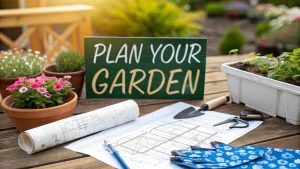
Selecting essential tools for small home gardens is one of the most important steps for anyone starting their gardening journey. Many beginners believe they need a large collection of expensive equipment to grow plants successfully, but the reality is very different. A small home garden can thrive with just a few well-chosen tools that make planting, watering, soil preparation, and maintenance easier and more efficient.
The right tools help you save time, reduce effort, and improve gardening results. Instead of struggling with unsuitable equipment, you can focus on enjoying the process of growing plants and watching your garden flourish. When you choose tools wisely, gardening becomes less overwhelming and more rewarding, even for complete beginners.
Understanding the Real Needs of a Small Home Garden
Before selecting any tools, it is important to understand what a small home garden actually needs. Unlike large farms or commercial spaces, small gardens usually focus on a limited variety of plants such as vegetables, herbs, or flowers. This means the tasks involved are simpler and more manageable.
Most small gardens require basic activities like digging small holes, loosening soil, watering plants, trimming leaves, and removing weeds. These tasks do not require heavy machinery or advanced equipment. Instead, they can be handled effectively with simple hand tools designed for precision and ease of use.
Understanding these basic needs helps you avoid unnecessary purchases and focus only on tools that directly support your gardening goals. This approach not only saves money but also keeps your gardening setup simple and easy to maintain.
Choosing Quality Over Quantity in Gardening Tools
One of the most common mistakes beginners make is buying too many tools at once. A cluttered tool collection often leads to confusion and unused items. Instead, it is better to focus on quality over quantity when selecting essential tools for small home gardens.
High-quality tools last longer, perform better, and make gardening tasks easier. Even if you start with just a few reliable tools, you can still manage your entire garden effectively. Over time, as your experience grows, you can add more tools based on actual needs rather than assumptions.
This approach ensures that every tool you own has a clear purpose. It also helps you build a more organized and efficient gardening routine without unnecessary complexity.
Essential Digging Tools for Small Garden Spaces
Digging is one of the most fundamental activities in gardening, and having the right tools for this task is essential. For small home gardens, compact digging tools are usually more than enough. These tools help you prepare soil, plant seeds, and transplant seedlings with ease.
A good digging tool should be easy to handle, lightweight, and strong enough to work with different soil types. It should allow you to create small planting holes without damaging surrounding plants or disturbing soil structure too much.
Even in a small garden, proper soil preparation is crucial for plant growth. Having the right digging tools ensures that this process is smooth and efficient, helping your plants establish strong roots from the beginning.
Importance of Reliable Watering Tools for Healthy Plants
Watering is a key part of maintaining a healthy garden, and selecting the right watering tools can make a big difference in plant growth. In small home gardens, simple tools like watering cans or lightweight hoses are usually sufficient to meet daily watering needs.
A good watering tool helps you control the flow of water so that plants receive just the right amount of moisture. This is important because both overwatering and underwatering can affect plant health and slow down growth.
Reliable watering tools also make the process more convenient. Instead of carrying heavy buckets or relying on inconsistent methods, you can water your plants evenly and efficiently. This consistency is essential for maintaining a healthy and balanced garden environment.
Basic Soil Care Tools for Better Plant Growth
Healthy soil is the foundation of any successful garden, and having basic soil care tools is essential for maintaining it. In small home gardens, tools that help with loosening soil, mixing compost, and removing weeds are often enough to keep soil in good condition.
These tools ensure that soil remains airy and well-drained, allowing plant roots to grow freely. They also help improve nutrient distribution, which supports stronger and healthier plant development.
Simple soil care tools are easy to use and do not require advanced skills. They allow beginners to take better control of their garden environment and improve soil quality over time with regular maintenance.
Pruning Tools for Maintaining Plant Shape and Health
Pruning is an important part of garden maintenance, even in small spaces. It helps remove dead or unnecessary growth, encourages healthy plant development, and keeps your garden looking neat and organized. For this task, basic pruning tools are usually sufficient.
A good pruning tool should provide clean cuts without damaging the plant. This helps plants recover quickly and continue growing in a healthy way. Regular pruning also improves airflow between plants, reducing overcrowding and supporting better growth conditions.
In small home gardens, pruning tools do not need to be complex. A simple, sharp, and easy-to-handle tool can effectively manage most trimming tasks and keep your garden in good shape.
Gardening Gloves and Protective Tools for Safety
Safety is often overlooked by beginner gardeners, but it plays an important role in creating a comfortable gardening experience. Gardening gloves are one of the most essential protective tools for small home gardens. They help protect your hands from dirt, minor cuts, and irritation while working with soil and plants.
Comfortable gloves also improve grip, making it easier to handle tools and plants without slipping. This adds both safety and efficiency to your gardening activities. In addition to gloves, simple protective items like proper footwear can also enhance comfort during longer gardening sessions.
Even though these tools are simple, they make a significant difference in ensuring a safe and enjoyable gardening experience.
Storage Solutions for Organizing Small Garden Tools
Keeping your gardening tools organized is just as important as choosing the right ones. In small home gardens, where space is limited, proper storage helps prevent clutter and keeps tools in good condition for longer use.
A simple storage box, wall hook, or designated corner can be enough to keep your tools organized. When tools are stored properly after use, they remain clean, sharp, and ready for the next gardening task.
Good organisation also saves time. Instead of searching for misplaced tools, you can quickly access what you need and focus more on gardening itself. This makes your overall gardening experience smoother and more enjoyable.
Budget-Friendly Approaches to Selecting Gardening Tools
For beginners, budget is often an important consideration when selecting essential tools for small home gardens. The good news is that gardening does not require expensive equipment to get started. Many effective tools are affordable and widely available.
A smart approach is to start with only the most essential tools and expand your collection gradually. This prevents unnecessary spending and ensures that every tool you buy serves a real purpose in your garden.
It is also helpful to choose multipurpose tools that can handle more than one task. This reduces the number of items you need while still allowing you to manage your garden efficiently. With careful planning, you can build a practical tool collection without overspending.
Avoiding Common Mistakes When Choosing Garden Tools
Many beginners make mistakes when selecting tools, which can lead to frustration and wasted money. One common mistake is buying too many tools at once without understanding their actual use. This often results in unused or unnecessary items.
Another mistake is choosing low-quality tools that break easily or do not perform well. While they may seem cheaper initially, they often need frequent replacement, which increases long-term costs.
Ignoring comfort is also a common issue. Tools that are difficult to handle can make gardening tiring and less enjoyable. Choosing tools that feel comfortable and natural to use is essential for a positive gardening experience.
Building a Long-Term Gardening Tool Strategy
Selecting essential tools for small home gardens is not just about starting out; it is also about planning for long-term gardening success. As your garden grows and your experience increases, your tool needs may change.
A long-term strategy involves starting simple, learning from experience, and gradually adding tools based on real requirements. This ensures that your gardening setup remains practical and efficient over time.
By focusing on long-term needs rather than short-term trends, you can build a tool collection that supports consistent gardening success and reduces unnecessary expenses.
Conclusion
Selecting essential tools for small home gardens is all about simplicity, practicality, and smart decision-making. Instead of collecting too many unnecessary items, beginners should focus on basic tools that support everyday gardening tasks like digging, watering, soil care, and pruning. Choosing quality over quantity, staying within budget, and organising tools properly can make gardening easier and more enjoyable. With the right approach, even a small garden can become highly productive and rewarding. A well-planned tool selection not only improves gardening efficiency but also builds confidence and long-term success for every beginner gardener.
FAQs
1. What are the most essential tools for a small home garden?
The most essential tools include basic digging tools, watering cans, pruning tools, soil care tools, and gardening gloves.
2. Do I need expensive tools for small home gardening?
No, small home gardens can be managed effectively with simple and affordable tools. Expensive equipment is not necessary for beginners.
3. How do I choose the right gardening tools as a beginner?
Focus on comfort, durability, and practicality. Start with basic tools and add more only when needed.
4. How can I organise my small garden tools?
You can use simple storage boxes, hooks, or dedicated corners to keep your tools clean and easily accessible.
5. When should I upgrade my gardening tools?
You should upgrade your tools when your gardening needs become more advanced or when your current tools no longer perform efficiently.