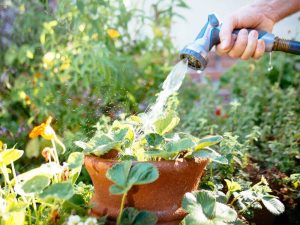
There’s a particular kind of worry that comes with seeing your plants struggle after a stretch of intense heat. Leaves droop, colors fade, and growth seems to pause completely. It can feel like all your effort is slipping away in just a few days of harsh weather.
But here’s something many plant owners don’t realize—most heat-stressed plants are not beyond saving.
In fact, plants are surprisingly resilient. What they need after extreme heat is not drastic intervention, but steady, thoughtful recovery care. The mistake many people make is reacting too quickly—overwatering, relocating constantly, or applying treatments that create more stress instead of relief.
The goal is to help plants regain balance. That means restoring moisture levels, stabilizing their environment, and giving them time to recover naturally.
In this guide, you’ll learn how to identify heat stress accurately, what immediate steps to take, and how to build a simple recovery routine that supports long-term plant health. Whether your plants are indoors, in containers, or part of a small garden, these practical strategies will help bring them back to life without overcomplicating the process.
Understanding Heat Stress in Plants
What Happens During Heat Stress
When temperatures rise beyond a plant’s comfort zone:
- Water loss increases rapidly
- Leaves lose firmness
- Growth slows or stops
Why Plants Struggle to Cope
- Roots cannot absorb water fast enough
- Soil dries quickly
- Internal processes become imbalanced
The Recovery Potential
Most plants can recover if:
- Damage is not severe
- Proper care is given early
- Conditions improve gradually
Recognizing Signs of Heat Stress
Early Warning Signs
- Slight wilting during the day
- Leaves curling inward
- Dull or faded appearance
Moderate Stress Indicators
- Persistent drooping
- Yellowing or browning edges
- Slowed growth
Severe Damage Signs
- Crispy or dry leaves
- Leaf drop
- Stunted or halted development
First Steps After Heat Exposure
Move Plants to a Stable Environment
- Shift to partial shade
- Avoid direct sunlight immediately after stress
Avoid Immediate Overwatering
- Check soil before watering
- Water only if necessary
Let Plants Rest
- Avoid excessive handling
- Allow natural recovery
Restoring Proper Water Balance
Deep but Controlled Watering
- Water thoroughly
- Ensure excess drains out
- Avoid waterlogging
Monitoring Soil Moisture
- Check below the surface
- Maintain consistent moisture
Adjusting Frequency
- Water based on need
- Avoid fixed schedules
Providing Shade for Recovery
Temporary Shade Solutions
- Use cloth or netting
- Reduce sunlight intensity
Gradual Reintroduction to Light
- Slowly increase exposure
- Avoid sudden changes
Indoor Recovery Option
- Move sensitive plants indoors temporarily
- Provide indirect light
Supporting Soil Health During Recovery
Improving Soil Structure
- Add organic matter if needed
- Ensure proper drainage
Preventing Compaction
- Loosen soil gently
- Improve airflow around roots
Avoiding Fertilizer Immediately
- Wait until plant stabilizes
- Avoid adding stress
Managing Airflow Carefully
Gentle Air Circulation
- Helps cool plants
- Supports recovery
Avoid Strong Winds
- Can increase stress
- Dry out plants further
Indoor Airflow Adjustments
- Use fans on low settings
- Maintain balanced conditions
Pruning and Cleaning Damaged Areas
Removing Dead Leaves
- Cut dry or damaged parts
- Prevent energy waste
Avoid Excessive Pruning
- Keep healthy leaves
- Allow photosynthesis
Using Clean Tools
- Prevent infection
- Maintain plant health
Adjusting Care Routine During Recovery
Reducing Stress Factors
- Avoid frequent relocation
- Maintain stable conditions
Observing Daily Changes
- Watch for improvement
- Adjust gradually
Keeping Routine Simple
- Focus on essentials
- Avoid overcomplication
Supporting Root Recovery
Ensuring Proper Drainage
- Prevent water buildup
- Maintain oxygen flow
Avoiding Root Disturbance
- Do not repot immediately
- Allow roots to recover
Encouraging Natural Growth
- Let plants regain strength
- Avoid forcing growth
Common Mistakes to Avoid
Overwatering in Panic
Too much water can worsen damage.
Immediate Fertilizing
- Can stress weakened plants
- Delay feeding
Constantly Moving Plants
- Prevents stability
- Slows recovery
Gradual Return to Normal Conditions
Increasing Light Exposure Slowly
- Reintroduce sunlight step by step
- Monitor plant response
Resuming Regular Watering
- Adjust based on recovery
- Maintain balance
Watching for New Growth
- Indicates recovery
- Sign of improving health
Long-Term Strategies to Prevent Future Stress
Improving Soil Quality
- Enhance water retention
- Support root health
Creating Shade Options
- Prepare for future heat
- Reduce exposure
Building a Flexible Routine
- Adjust based on weather
- Stay responsive
Benefits of Proper Recovery Care
Faster Plant Recovery
- Reduced long-term damage
- Improved resilience
Stronger Growth After Stress
- Plants adapt better
- Become more durable
Reduced Plant Loss
- Saves effort and resources
- Maintains healthy garden
Practical Recovery Plan for Hot Days
Day 1–2
- Move plants to shade
- Check soil moisture
- Avoid drastic changes
Day 3–5
- Monitor recovery signs
- Adjust watering
- Remove damaged leaves
Day 6 and Beyond
- Gradually reintroduce light
- Resume normal care
Building Confidence in Plant Recovery
Understanding Plant Behavior
- Plants need time
- Recovery is gradual
Staying Patient
- Avoid rushing results
- Let plants adjust
Learning from Experience
- Observe what works
- Improve future care
Conclusion
Heat stress can make even experienced plant owners feel uncertain, but it doesn’t have to result in permanent damage. With the right approach, most plants can recover and continue growing successfully.
The key is to respond calmly and thoughtfully. Instead of trying to fix everything at once, focus on creating stable conditions—balanced watering, gentle shading, and consistent care. These simple steps allow plants to regain strength naturally.
Recovery is not immediate. It’s a process that unfolds over days or even weeks. By staying patient and attentive, you give your plants the best chance to bounce back stronger than before.
As you gain experience, you’ll become more confident in handling these situations. What once felt like a setback will become just another part of your plant care routine.
In the end, reviving heat-stressed plants is not about perfection—it’s about understanding, adapting, and supporting growth through changing conditions.
FAQs
Can heat-stressed plants recover fully?
Yes, most plants can recover if damage is not severe and proper care is provided early.
Should I water plants immediately after heat stress?
Check soil first. Water only if it’s dry to avoid overwatering.
Is it safe to fertilize stressed plants?
No, it’s better to wait until the plant has recovered before adding fertilizer.
How long does recovery take?
Recovery time varies but usually takes several days to a few weeks depending on damage.
Should I move plants back into sunlight quickly?
No, reintroduce sunlight gradually to avoid further stress.