Introduction
Summer can be tough on any garden. Intense heat, dry winds, and long days without rain can quickly stress plants, even if they looked healthy just weeks before. Many beginners feel frustrated when leaves start wilting, turning yellow, or drying out despite regular care.
You might have watered your plants daily during a heatwave and still noticed them struggling. That’s because summer gardening isn’t just about watering more—it’s about watering smarter and protecting plants from stress.
The good news is that with a few simple adjustments, you can help your garden survive—and even thrive—during hot, dry conditions. This guide shares practical, easy-to-follow steps to keep your plants healthy throughout the summer.
Step-by-Step Guide to Protect Plants from Heat
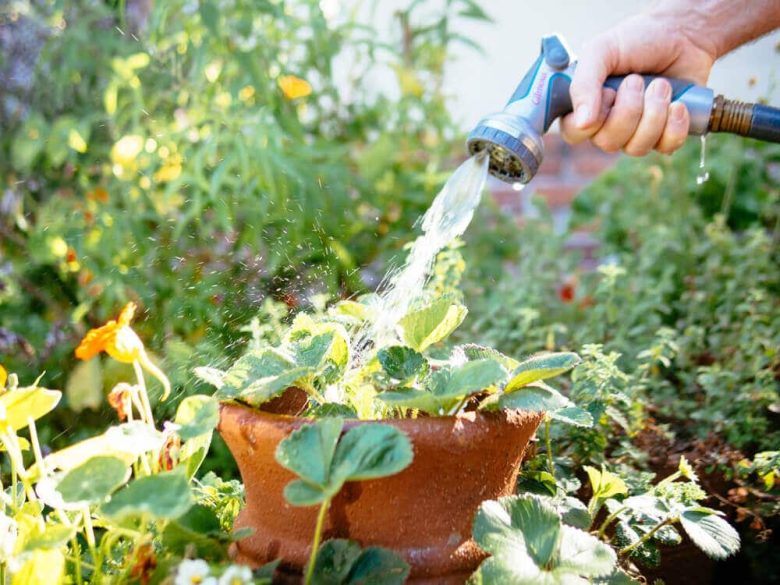
1. Water Deeply and at the Right Time
Watering is critical during summer, but timing matters just as much as quantity.
What to do:
- Water early in the morning or late in the evening
- Focus on deep watering instead of light daily watering
- Aim water at the base, not the leaves
Why this works:
Deep watering encourages roots to grow deeper into the soil, making plants more resistant to heat.
Common mistake:
Watering during midday, when most of the water evaporates quickly.
2. Use Mulch to Lock in Moisture
Mulch acts like a protective layer for your soil.
What to do:
- Add dry leaves, straw, or compost around plants
- Keep a small gap between mulch and plant stems
Why this works:
Mulch reduces water loss, keeps soil cool, and limits weed growth.
Common mistake:
Leaving soil exposed, which causes rapid moisture loss.
3. Provide Shade During Extreme Heat
Not all plants can handle direct sunlight all day.
What to do:
- Use shade cloth, netting, or even light fabric
- Move potted plants to shaded areas during peak heat
- Create temporary covers during heatwaves
Why this works:
Shade reduces heat stress and prevents leaf burn.
Common mistake:
Leaving sensitive plants in harsh afternoon sun.
4. Choose Heat-Tolerant Plants
Some plants naturally perform better in hot conditions.
What to do:
- Select drought-resistant or native plants
- Replace struggling plants with heat-tolerant varieties
Why this works:
These plants require less water and adapt better to summer conditions.
Common mistake:
Growing water-demanding plants in extreme heat without proper care.
5. Improve Soil to Retain Moisture
Healthy soil can hold water longer and support plant growth.
What to do:
- Add compost or organic matter
- Avoid compacted soil
- Ensure proper drainage
Why this works:
Moisture-retaining soil reduces the need for frequent watering.
Common mistake:
Using dry, poor-quality soil that loses water quickly.
6. Reduce Plant Stress with Proper Spacing
Crowded plants compete for water and nutrients.
What to do:
- Space plants properly
- Thin out overcrowded areas
- Remove weak or damaged plants
Why this works:
Better spacing improves airflow and reduces competition for resources.
Common mistake:
Overcrowding plants, which increases stress during heat.
7. Avoid Heavy Pruning in Summer
Cutting plants too much during heat can make them weaker.
What to do:
- Remove only dead or damaged leaves
- Delay major pruning until cooler weather
Why this works:
Leaves help protect plants from sun exposure and retain moisture.
Common mistake:
Over-pruning, which exposes plants to direct heat.
Practical Tips for Summer Gardening Success
- Check soil moisture daily during heatwaves
- Use clay or thicker pots to retain moisture longer
- Group plants together to create a humid microclimate
- Reuse kitchen waste as compost to improve soil
- Water slowly to allow deep absorption
These simple habits can make a big difference during extreme weather.
Common Mistakes to Avoid
- Overwatering without checking soil
- Watering during peak sunlight hours
- Ignoring signs of plant stress
- Skipping mulch
- Using shallow watering techniques
Avoiding these mistakes helps maintain plant health even in harsh conditions.
Expertise & Trust Section: Best Practices for Heat Protection
1. Monitor Plants Closely
Look for signs like wilting, yellowing, or dry edges. Early action can prevent permanent damage.
2. Adjust Care Based on Weather
Hotter days require different care than mild ones. Stay flexible with your routine.
3. Protect Roots, Not Just Leaves
Healthy roots are key to survival. Focus on soil moisture and temperature control.
4. Keep Gardening Simple
During extreme heat, reduce extra tasks and focus on essential care like watering and shading.
Why this matters:
These practices ensure your plants stay strong, reduce water waste, and help your garden recover quickly after heat stress.
FAQs
1. How often should I water plants in summer?
Water deeply when the soil feels dry. Frequency depends on temperature and soil type.
2. Can too much water harm plants in heat?
Yes, overwatering can lead to root rot. Always check soil before watering.
3. What is the best mulch for summer?
Organic mulch like straw, leaves, or compost works best for retaining moisture.
4. How do I know if my plant is heat-stressed?
Signs include wilting, yellow leaves, and dry or burnt edges.
5. Should I fertilize plants during extreme heat?
Avoid heavy fertilizing during heatwaves, as it can stress plants further.
Conclusion
Summer gardening doesn’t have to be stressful. With the right techniques—like deep watering, mulching, shading, and proper plant selection—you can protect your garden from heat and drought.
The key is to focus on prevention rather than quick fixes. Small changes in your routine can make a big difference in plant health.
Stay consistent, observe your plants, and adjust your care as needed. With a little effort and smart planning, your garden can stay green, healthy, and productive all summer long.