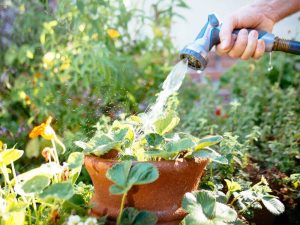
The first time I tried gardening through summer, I honestly thought I had ruined everything.
Plants that looked healthy suddenly:
- started drooping
- dried out faster than expected
- lost color and strength
- looked “tired” even after watering
I remember thinking, “Maybe gardening just doesn’t work in summer heat.”
But the truth was simpler—and a bit uncomfortable:
I wasn’t managing summer conditions properly.
Once I adjusted a few basic habits, my garden didn’t just survive summer—it actually became more stable and predictable.
The Real Problem: Why Summer Is Hard on Gardens
Summer doesn’t “kill plants instantly”—it slowly stresses them through heat and imbalance.
1. Faster water evaporation
Soil dries out quickly, even after watering.
2. Heat stress on leaves
Direct sunlight can damage delicate plants.
3. Inconsistent watering habits
People either overwater or forget watering entirely.
4. Poor plant placement
Plants stay in full sun without protection.
5. Ignoring soil condition
Dry, compact soil holds less moisture.
I made almost all of these mistakes at first.
What Summer Garden Survival Actually Means
Let’s keep it simple.
👉 Summer garden survival = adjusting watering, placement, and care routines so plants can handle heat stress and stay healthy during hot weather.
It is NOT:
- complicated gardening systems
- expensive cooling setups
- constant plant monitoring
It IS:
- smart watering habits
- shade awareness
- simple daily adjustments
Step 1: Water Smart, Not More
This was the biggest mistake I fixed.
What I used to do:
- water more often during heat
- assume dry soil always means “water immediately”
What I learned:
Timing and method matter more than quantity.
What works better:
- water early morning or evening
- water deeply but less frequently
- avoid midday watering (evaporation is too high)
Step 2: Protect Plants From Direct Harsh Sun
Not all sunlight is helpful in summer.
What I changed:
- moved plants away from direct afternoon sun
- used shaded spots or indirect light areas
- rotated plants based on sun intensity
Key insight:
Plants need light—but not constant heat exposure.
Step 3: Improve Soil Moisture Retention
Dry soil was one of my biggest issues.
What helped:
- adding organic matter (like compost where possible)
- lightly loosening soil surface
- using mulch-like cover in pots
Result:
Soil stayed moist for longer periods.
Step 4: Adjust Watering Frequency Based on Heat
Summer is not a fixed schedule season.
What I started doing:
- checking soil daily
- watering only when dry
- adjusting based on temperature changes
Key insight:
Heat changes plant needs daily, not weekly.
Step 5: Group Plants by Heat Tolerance
This made care easier.
What I did:
- grouped sun-loving plants together
- kept sensitive plants in shaded areas
- separated indoor vs outdoor plants properly
Result:
Less confusion and healthier plants.
Step 6: Water Deeply Instead of Frequently
This was a game-changer.
What I changed:
- stopped shallow watering
- focused on deep root hydration
- ensured water reached lower soil layers
Why it matters:
Deep watering helps plants survive heat longer.
Step 7: Reduce Stress on Plants During Peak Heat Hours
I stopped exposing plants unnecessarily.
What I avoided:
- moving plants in extreme heat
- watering during midday sun
- leaving pots on hot surfaces
Key insight:
Small environmental changes reduce major plant stress.
Step 8: Keep a Simple Daily Observation Habit
I didn’t overcheck plants—I just observed.
What I looked for:
- drooping leaves
- dry soil signs
- color changes
- heat stress indicators
Result:
Early detection prevented bigger problems.
Practical Summer Garden Survival Tips
Tip 1: Water early morning or evening only
Avoid midday watering.
Tip 2: Use shade wisely
Protect sensitive plants from harsh sun.
Tip 3: Check soil daily
Don’t rely on fixed schedules.
Tip 4: Avoid overwatering panic
Dry soil doesn’t always mean urgent watering.
Tip 5: Keep routines simple
Consistency matters more than complexity.
Common Mistakes in Summer Gardening
Mistake 1: Overwatering in heat
Leads to root problems.
Mistake 2: Ignoring shade needs
Sun stress damages leaves.
Mistake 3: Watering at wrong times
Midday watering is ineffective.
Mistake 4: Not checking soil properly
Leads to guessing instead of understanding.
Mistake 5: Changing plant placement too often
Causes extra stress for plants.
Real-Life Example: My Before and After Summer Garden
Before:
- frequent plant drooping
- inconsistent watering
- heat-damaged leaves
- confusion about care timing
After:
- stable plant health
- better watering routine
- reduced heat stress
- predictable plant behavior
The difference wasn’t effort—it was timing and awareness.
How You Know Your Summer Garden Is Surviving Well
You’ll notice:
- plants stay stable through heat
- fewer sudden drooping episodes
- soil retains moisture better
- less need for emergency watering
- overall healthier plant appearance
FAQs (Real User Questions)
1. How often should I water plants in summer?
Only when soil becomes dry—usually more frequent than winter, but not fixed.
2. What is the best time to water plants in hot weather?
Early morning or late evening.
3. Can plants survive extreme summer heat?
Yes, with proper shade and watering habits.
4. Why do plants droop in summer?
Usually due to heat stress or water imbalance.
5. Do all plants need shade in summer?
No, but many plants benefit from reduced direct afternoon sun.
Conclusion: Summer Gardening Is About Balance, Not Extra Effort
If there’s one thing I learned about summer garden survival, it’s this:
You don’t need to work harder in summer—you just need to work smarter with timing, shade, and watering habits.
Once I adjusted how and when I cared for my plants, summer stopped being a threat and became just another season to manage.
Start simple:
- water at the right time
- protect plants from harsh sun
- check soil instead of guessing
- keep routines calm and consistent
Because surviving summer isn’t about saving plants in panic—it’s about understanding heat and working with it, not against it.