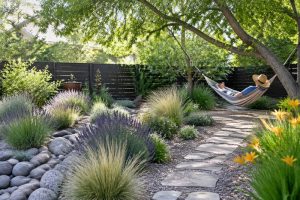
Not everyone has time to water plants daily, trim leaves constantly, or spend hours managing a garden. And honestly, you don’t need to.
Low-maintenance gardening is all about growing plants that survive and thrive with minimal effort. It’s perfect for busy people, beginners, or anyone who wants a green space without turning it into a full-time job.
The goal is simple: less work, more results.
In this guide, you’ll learn how to build a low-effort garden, choose the right plants, and avoid common mistakes that make gardening harder than it should be.
What Is Low-Maintenance Gardening?
Low-maintenance gardening means designing a garden that practically takes care of itself after setup.
Instead of constantly:
- Watering every day
- Fertilizing frequently
- Pruning all the time
- Fighting pests manually
You create a system where plants naturally thrive with minimal intervention.
It’s not about neglecting your garden. It’s about working smarter, not harder.
Why Low-Maintenance Gardening Is Perfect for Beginners
Many beginners quit gardening because it feels overwhelming. Low-maintenance gardening solves that problem.
Benefits include:
- Less daily effort
- Lower chance of plant failure
- Reduced water usage
- Fewer pest problems
- More consistent results
It also builds confidence because you see success without constant stress.
Step 1: Choose the Right Location
Even low-maintenance gardens need the right environment.
Ideal conditions:
- 4–6 hours of sunlight (for most plants)
- Good air circulation
- Easy access to water
- Stable space (avoid constantly moving pots)
Beginner tip:
Avoid complicated setups at the start. A simple balcony, corner, or small yard space is enough.
Step 2: Choose Low-Maintenance Plants
Plant selection is the most important part of this style of gardening.
Best low-maintenance herbs:
- Mint (grows almost anywhere)
- Rosemary (drought-tolerant)
- Basil (fast-growing)
- Thyme (very hardy)
Easy vegetables:
- Spinach
- Green onions
- Chilies
- Lettuce
Hardy decorative plants:
- Snake plant
- Aloe vera
- Jade plant
- Pothos
These plants don’t demand constant care and can survive beginner mistakes.
Step 3: Use Self-Sustaining Soil Mix
Healthy soil reduces maintenance work drastically.
Simple low-maintenance soil mix:
- Garden soil
- Compost
- Coco peat
- Small amount of sand (optional for drainage)
Why this matters:
Good soil holds moisture longer and feeds plants slowly, so you don’t need to fertilize often.
Step 4: Smart Watering Strategy (The Key to Low Effort Gardening)
Watering is where most people overcomplicate gardening.
Simple watering rule:
Water only when needed, not on a schedule.
How to check:
Stick your finger 2–3 cm into the soil:
- Dry → water
- Moist → wait
Best watering habits:
- Water deeply instead of lightly
- Water early morning or evening
- Avoid daily watering unless extreme heat
Smart tip:
Mulching (covering soil with dry leaves or straw) helps retain moisture and reduces watering frequency.
Step 5: Reduce Maintenance With Mulching
Mulching is one of the most powerful low-effort gardening techniques.
What is mulching?
Covering soil with organic material like:
- Dry leaves
- Straw
- Grass clippings
Benefits:
- Keeps soil moist longer
- Reduces weed growth
- Improves soil health
- Cuts down watering needs
This one step alone can reduce gardening effort by half.
Step 6: Choose Self-Growing Plant Combinations
Some plants actually help each other grow better.
Good combinations:
- Tomatoes + basil
- Spinach + green onions
- Marigold + vegetables (natural pest control)
Why it helps:
- Reduces pests naturally
- Improves soil balance
- Minimizes maintenance
Step 7: Use Containers for Easy Control
Containers make gardening easier to manage.
Benefits:
- Less weed growth
- Controlled soil quality
- Easier watering
- Portable setup
Best container types:
- Plastic pots (lightweight)
- Clay pots (natural airflow)
- Large grow bags (budget-friendly)
Make sure all containers have drainage holes.
Step 8: Simple Weekly Maintenance Routine
Low-maintenance doesn’t mean no maintenance. It means minimal effort.
Weekly routine (10–15 minutes):
- Check soil moisture
- Remove dry or dead leaves
- Look for pests
- Light watering if needed
Monthly routine:
- Add compost or organic fertilizer
- Clean plant leaves
- Reorganize overcrowded pots
That’s it. No complicated schedule needed.
Step 9: Common Mistakes That Increase Workload
Many people accidentally make gardening harder than it should be.
1. Overwatering
Leads to root rot and constant plant replacement.
2. Choosing high-maintenance plants
Some plants require daily attention and pruning.
3. Ignoring soil health
Poor soil increases watering and fertilizing needs.
4. Overcrowding plants
Creates competition and increases pest issues.
5. Using too many fertilizers
Leads to imbalance and weak plant growth.
Step 10: Time-Saving Gardening Tricks
If your goal is less effort, these tricks help a lot:
1. Group similar plants together
Makes watering easier and more efficient.
2. Use drip watering bottles
Slow release water for days.
3. Use shade smartly
Reduce water evaporation in hot climates.
4. Choose perennial plants
They grow back every season without replanting.
Low-Maintenance Gardening Setup (Beginner Example)
If you want a simple setup, here’s a practical plan:
- 2 pots of mint
- 1 pot of spinach
- 1 pot of chili
- 1 aloe vera plant
- Basic watering can
- Compost soil mix
This setup gives you herbs, vegetables, and a decorative plant with almost no stress.
FAQ – Low-Maintenance Gardening
1. What is the easiest plant to grow with low maintenance?
Mint and aloe vera are among the easiest because they survive in most conditions.
2. How often do I need to water a low-maintenance garden?
Usually 1–3 times per week depending on weather and soil dryness.
3. Can I grow a garden if I’m very busy?
Yes. Low-maintenance gardening is designed specifically for busy people.
4. Do low-maintenance plants still need fertilizer?
Yes, but only occasionally—usually once a month or even less.
5. What is the biggest secret to easy gardening?
Good soil and proper plant selection reduce most of the effort.
Conclusion
Low-maintenance gardening is not about doing less for your plants—it’s about doing the right things at the right time. When you choose hardy plants, improve soil quality, and simplify watering, your garden becomes naturally self-sustaining.
Instead of daily stress and constant maintenance, you get a calm, green space that fits into your lifestyle. Start small, stay consistent, and let nature do most of the work for you.