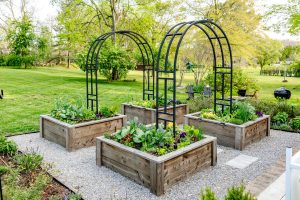
Starting a vegetable patch in your backyard is one of the most rewarding and practical ways to enjoy fresh, healthy, and homegrown food. Whether you want to reduce grocery bills, eat cleaner, or simply enjoy a relaxing outdoor hobby, learning how to start a vegetable garden in backyard soil space is a great first step.
This guide will walk you through everything in a simple, beginner-friendly way—from choosing the right spot to planting your first seeds and maintaining your garden for long-term success.
Understanding the Basics of a Backyard Vegetable Patch
Before digging into the soil, it’s important to understand what a vegetable patch actually is. A vegetable patch is a small, dedicated area in your backyard where you grow edible plants like tomatoes, cucumbers, spinach, carrots, and herbs.
Why Start a Vegetable Patch?
Starting your own garden offers several practical benefits:
- Fresh, chemical-free vegetables at home
- Savings on grocery expenses
- Better control over what you eat
- A relaxing outdoor activity
- A step toward sustainable living
Even if you have limited space, you can still create a productive garden using smart planning techniques.
Choosing the Right Location in Your Backyard
Location is one of the most important factors for a successful vegetable patch. Most vegetables need good sunlight, proper drainage, and easy access to water.
Key Factors to Consider
When selecting your garden spot, keep these in mind:
1. Sunlight Exposure
Most vegetables need at least 5–7 hours of sunlight daily. Choose a spot that is not heavily shaded by walls or trees.
2. Water Access
Make sure your garden area is close to a water source so you can easily irrigate plants.
3. Soil Drainage
Avoid low areas where water collects after rain. Good drainage prevents root rot and plant diseases.
4. Protection from Wind
Strong winds can damage young plants. If possible, choose a semi-sheltered area.
Preparing Your Backyard Soil for Planting
Healthy soil is the foundation of a successful vegetable patch. If your soil is poor, your plants will struggle even if everything else is perfect.
Step-by-Step Soil Preparation
1. Clear the Area
Remove grass, weeds, stones, and debris from your selected space.
2. Loosen the Soil
Use a shovel or garden fork to dig and loosen the soil at least 8–12 inches deep.
3. Improve Soil Quality
Mix organic matter into your soil, such as
- Compost
- Well-rotted manure
- Dry leaves
- Kitchen vegetable scraps (composted)
4. Level the Ground
Rake the soil to create a smooth and even planting surface.
Good soil should feel soft, crumbly, and rich in texture.
Choosing the Right Vegetables for Beginners
Not all vegetables are equally easy to grow. As a beginner, it’s better to start with low-maintenance crops that grow quickly and are less sensitive.
Easy Vegetables for First-Time Gardeners
Here are some beginner-friendly options:
- Tomatoes
- Spinach
- Radishes
- Carrots
- Cucumbers
- Lettuce
- Green chilies
- Coriander (cilantro)
Tips for Selection
- Start with 3–5 types of vegetables only
- Choose seasonal crops based on your local climate
- Avoid complex plants in your first attempt
Starting small increases your chances of success and reduces overwhelm.
Planning Your Vegetable Garden Layout
A well-planned layout helps your plants grow efficiently and makes maintenance easier.
Simple Garden Layout Ideas
1. Row Planting
Plant vegetables in straight rows with space in between for walking and watering.
2. Square Foot Gardening
Divide your garden into small square sections for different crops.
3. Raised Sections
Create slightly raised soil beds to improve drainage and organisation.
Spacing Tips
- Give enough space between plants
- Avoid overcrowding
- Group similar plants together
Good spacing improves airflow and reduces pest problems.
Planting Seeds or Seedlings Correctly
Once your soil and layout are ready, it’s time to plant.
Direct Seeding vs Seedlings
- Direct seeding: Plant seeds directly into the soil (carrots, radishes)
- Seedlings: Small plants grown first in trays and then transplanted (tomatoes, chilies)
Planting Steps
- Dig small holes according to seed instructions
- Place seeds or seedlings gently
- Cover with soil lightly
- Water carefully after planting
Avoid planting too deep or too shallow, as it can affect germination.
Watering Your Vegetable Patch Properly
Watering is one of the most critical parts of gardening. Too much or too little water can harm your plants.
Best Watering Practices
1. Water Early in the Morning
This reduces evaporation and helps plants absorb moisture better.
2. Keep Soil Moist, Not Wet
The soil should feel damp but not soggy.
3. Water at the Base
Avoid watering leaves directly to reduce fungal issues.
Seasonal Adjustments
- Summer: Water more frequently
- Winter: Reduce watering
- Rainy season: Water only if needed
Consistency is key for healthy growth.
Fertilizing Your Vegetable Garden Naturally
Plants need nutrients to grow strong and produce healthy vegetables.
Natural Fertilizer Options
- Compost manure
- Organic kitchen waste compost
- Eggshell powder (calcium source)
- Banana peel compost (potassium boost)
Fertilizing Schedule
- Add compost before planting
- Apply light fertilizer every 2–3 weeks
- Avoid over-fertilizing, which can harm plants
Organic fertilizers improve soil health over time.
Managing Weeds and Garden Pests
Weeds and pests are common challenges in any vegetable patch. If not controlled, they can reduce plant growth.
Weed Control Tips
- Remove weeds regularly by hand
- Use mulch to cover soil and reduce weed growth
- Keep garden clean and organized
Natural Pest Control Methods
- Use neem spray for insects
- Encourage beneficial insects like ladybugs
- Rotate crops to prevent pest buildup
Avoid harsh chemicals in a home vegetable garden.
Using Mulch for Better Plant Growth
Mulching is a simple but powerful gardening technique.
What is mulch?
Mulch is a protective layer placed on top of soil.
Benefits of Mulching
- Retains soil moisture
- Reduces weed growth
- Keeps soil temperature stable
- Improves soil quality over time
Common Mulching Materials
- Dry leaves
- Grass clippings
- Straw
- Wood chips
Mulching makes garden maintenance much easier.
Maintaining Your Vegetable Patch Regularly
A successful vegetable garden requires consistent care.
Weekly Maintenance Checklist
- Check soil moisture
- Remove weeds
- Inspect plants for pests
- Harvest ripe vegetables
- Add compost if needed
Observation is Key
Spend a few minutes daily observing your plants. Small issues like yellow leaves or insect damage are easier to fix early.
Harvesting Your Vegetables at the Right Time
Harvesting is the most satisfying part of gardening.
How to Know When to Harvest
- Vegetables look full-sized and firm
- Color appears bright and natural
- Leaves are healthy and fresh
Harvesting Tips
- Use clean tools to avoid damage
- Pick vegetables regularly to encourage growth
- Avoid waiting too long, as overripe vegetables lose taste
Fresh harvesting ensures the best flavour and nutrition.
Common Mistakes Beginners Should Avoid
Many first-time gardeners make simple mistakes that affect their results.
Top Mistakes
- Overwatering or underwatering
- Planting too many crops at once
- Ignoring soil quality
- Not removing weeds regularly
- Choosing unsuitable vegetables
How to Avoid Them
Start small, learn gradually, and stay consistent. Gardening improves with experience.
Building Confidence as a Beginner Gardener
Your first vegetable patch may not be perfect—and that’s completely normal. Gardening is a learning process.
Helpful Mindset Tips
- Don’t expect instant results
- Learn from small failures
- Experiment with different plants
- Enjoy the process, not just the outcome
Over time, you’ll develop natural gardening skills and confidence.
Conclusion
Starting your first vegetable patch in backyard soil space is a simple yet powerful step toward a healthier and more sustainable lifestyle. With proper planning, good soil preparation, and consistent care, even beginners can grow fresh vegetables successfully at home.
The key is to start small, stay consistent, and learn as you go. From choosing the right location to harvesting your first crop, every step brings you closer to enjoying your own homegrown produce.
A backyard vegetable garden is not just about food—it’s about patience, learning, and connecting with nature in a meaningful way.
FAQs
1. How much space do I need to start a vegetable patch?
You can start with even a small area, like 4×4 feet. As you gain experience, you can expand your garden gradually.
2. What is the easiest vegetable to grow for beginners?
Radishes, spinach, and tomatoes are among the easiest vegetables for first-time gardeners.
3. How often should I water my vegetable garden?
Most gardens need watering 2–4 times per week depending on weather conditions and soil type.
4. Can I grow vegetables without fertilisers?
Yes, but using natural compost improves soil health and increases plant growth significantly.
5. What is the best time to start a vegetable garden?
Spring and early summer are generally the best seasons, but it depends on your local climate and chosen crops.