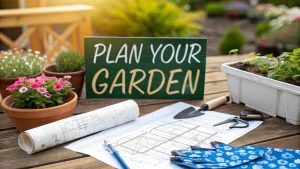
ntroduction: When My Gardening Efforts Started Failing for No Clear Reason
When I first got into gardening, I thought it was simple:
- buy a plant
- put it in soil
- water it
- hope it grows
But reality was different.
Some plants survived… others didn’t.
Some grew slowly… others just stopped growing.
I remember thinking:
👉 “Maybe I’m just not good at gardening.”
But the real issue wasn’t skill—it was lack of planning and the wrong tools.
Once I started organizing my space and using basic gardening tools properly, everything became easier and more predictable.
The Real Problem: Why Beginners Struggle Without Planning & Tools
Most gardening failures don’t happen because of “bad luck.”
They happen because of simple missing foundations.
1. No garden plan
Plants placed randomly without considering light or space.
2. Wrong or missing tools
Using hands for everything slows progress and increases mistakes.
3. Poor soil understanding
Soil quality is often ignored.
4. Overwatering without measurement
Guesswork instead of observation.
5. No system for maintenance
Everything becomes confusing over time.
I was guilty of all of these in the beginning.
What Garden Planning & Tools Actually Means
Let’s keep it simple.
👉 Garden planning = organizing where, how, and what you will grow before planting.
👉 Gardening tools = basic equipment that makes planting, watering, and maintenance easier and more accurate.
It is NOT:
- expensive landscaping
- professional farming systems
- complex gardening knowledge
It IS:
- simple layout planning
- basic tools for care
- organized plant setup
Step 1: Start With a Simple Garden Plan
Before I changed anything physically, I started planning.
What I considered:
- where sunlight hits
- how much space I had
- which plants I could manage easily
Result:
Fewer mistakes and healthier plant placement.
Step 2: Group Plants Based on Needs
This was a game changer.
What I learned:
Not all plants need the same care.
So I grouped them based on:
- sunlight needs
- water requirements
- growth speed
Key insight:
Smart grouping makes care easier and more consistent.
Step 3: Choose the Right Containers
I used to plant everything randomly.
That caused problems.
What I improved:
- proper pots with drainage holes
- correct size for plant growth
- stable containers for indoor plants
Why it matters:
Roots need space and proper drainage to stay healthy.
Step 4: Understand Soil Before Planting
This is often ignored by beginners.
What I learned:
- good soil supports growth
- poor soil slows plants down
- different plants prefer different soil types
Key insight:
Healthy soil = healthy plant foundation.
Step 5: Use Basic Gardening Tools (Not Fancy Ones)
I realized I didn’t need expensive tools.
Just simple ones.
Essential tools I used:
- small watering can
- hand trowel (for soil work)
- pruning scissors
- basic gloves
Result:
Everything became easier and cleaner.
Step 6: Plan Watering Instead of Guessing
This was one of my biggest mistakes early on.
What I changed:
- checked soil before watering
- avoided fixed “daily watering” habits
- adjusted based on plant type
Key insight:
Watering should be based on need, not habit.
Step 7: Organize Your Gardening Space
A messy setup leads to messy results.
What I improved:
- kept tools in one place
- arranged plants for easy access
- cleared unnecessary clutter
Result:
Less confusion and faster maintenance.
Step 8: Create a Simple Maintenance Routine
Instead of random care, I built structure.
My routine:
- daily quick plant check
- watering when needed
- weekly trimming or cleaning
- occasional soil check
Why it works:
Consistency reduces mistakes.
Practical Garden Planning & Tools Tips
Tip 1: Plan before planting
Don’t place plants randomly.
Tip 2: Start small
A few plants are easier to manage.
Tip 3: Use proper pots with drainage
Prevents root damage.
Tip 4: Keep basic tools ready
Makes care faster and easier.
Tip 5: Don’t overcomplicate gardening
Simple systems work best.
Common Mistakes in Garden Planning & Tools
Mistake 1: Planting without planning
Leads to poor growth conditions.
Mistake 2: Ignoring sunlight direction
Plants need correct light placement.
Mistake 3: Using wrong pot sizes
Affects root health and growth.
Mistake 4: Overwatering without checking soil
One of the most common beginner issues.
Mistake 5: Not organizing tools
Creates confusion and delays care.
Real-Life Example: My Before and After Garden Setup
Before:
- random plant placement
- no clear system
- overwatering mistakes
- messy tool handling
After:
- organized plant layout
- better soil and pot choices
- proper watering habits
- simple tool setup
The difference wasn’t effort—it was structure.
How You Know Your Garden Planning Is Improving
You’ll notice:
- healthier and more stable plant growth
- fewer care mistakes
- easier maintenance routine
- less confusion during watering
- better use of space
FAQs (Real User Questions)
1. Do I need expensive tools to start gardening?
No, basic tools are enough for beginners.
2. Why is garden planning important?
It helps avoid mistakes and improves plant health.
3. What is the most important gardening tool?
A simple watering can and pruning scissors are essential.
4. Can I garden in small spaces?
Yes, even small spaces work with proper planning.
5. How do I know where to place my plants?
Based on sunlight and plant requirements.
Conclusion: Good Gardening Starts With Planning, Not Guesswork
If there’s one thing I learned about garden planning and tools, it’s this:
👉 Gardening becomes easy when you stop guessing and start organizing.
Once I planned my space properly and used simple tools, my plants became healthier, my care routine became easier, and gardening stopped feeling confusing.
Start small today:
- plan your space
- choose simple tools
- group plants wisely
- keep things organized
Because gardening isn’t about doing everything—it’s about doing the right things in the right way, with a simple system you can actually maintain.