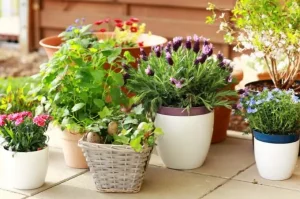
Most indoor plant setups tend to lean in one direction. Some people focus entirely on decorative plants—lush foliage, trailing vines, and visually appealing arrangements. Others prioritize edible plants like herbs and leafy greens, aiming for function over appearance. Rarely do both worlds come together in a balanced way.
But combining decorative and edible plants indoors is not only possible—it’s practical and rewarding when done right.
The challenge lies in finding harmony. Decorative plants are chosen for aesthetics, while edible plants are selected for productivity. They often have different needs, growth patterns, and visual styles. Without a thoughtful approach, the setup can feel mismatched or become difficult to maintain.
This guide takes a grounded, real-world approach to solving that problem. You’ll learn how to design a space where beauty and functionality coexist. From plant selection to layout planning and ongoing care, every step is focused on creating a system that works in everyday living conditions.
Whether you want fresh herbs within reach or a visually pleasing indoor garden that also produces food, this article will help you build a setup that feels balanced, purposeful, and sustainable.
Understanding the Difference Between Decorative and Edible Plants
Purpose and Function
Decorative plants are primarily for visual appeal.
- Enhance interior design
- Add color and texture
- Create a calming atmosphere
Edible plants, on the other hand, serve a practical role.
- Provide fresh herbs or vegetables
- Support healthy eating
- Offer functional value
Growth Patterns
Decorative plants often grow slowly and maintain shape, while edible plants:
- Grow faster
- Require frequent harvesting
- Need more active care
Understanding this difference is key to balancing both types.
Benefits of Combining Both Types Indoors
Efficient Use of Space
Instead of separating plant types:
- Use the same area for both
- Maximize limited indoor space
- Create a multi-purpose setup
Enhanced Aesthetic Appeal
Edible plants can be visually appealing too.
- Fresh herbs add vibrant green tones
- Leafy vegetables create texture
- Mixing plant types adds depth
Practical Everyday Use
Having edible plants indoors means:
- Easy access while cooking
- Reduced grocery dependence
- Fresh ingredients anytime
Planning Your Indoor Plant Layout
Defining Zones
Even in small spaces, dividing areas helps.
- Decorative zone for visual focus
- Edible zone for easy access
This creates structure without needing separate rooms.
Prioritizing Accessibility
Edible plants should be easy to reach.
- Place near kitchen areas
- Avoid hard-to-reach shelves
- Ensure quick access for harvesting
Maintaining Visual Balance
Avoid placing all edible plants in one spot.
- Distribute evenly
- Mix with decorative plants
- Maintain a cohesive look
Choosing the Right Decorative Plants
Compact and Manageable Options
Small spaces require controlled growth.
- Snake plants
- Pothos
- Peace lilies
These are adaptable and easy to maintain.
Texture and Shape Variety
Decorative plants add interest.
- Broad leaves
- Trailing vines
- Upright growth patterns
Low-Maintenance Choices
Balance is easier with simple care routines.
- Require less frequent watering
- Adapt to indoor conditions
- Stay manageable over time
Selecting Suitable Edible Plants
Herbs for Indoor Growing
Herbs are ideal for indoor setups.
- Basil
- Mint
- Parsley
- Coriander
They grow well in containers and require minimal space.
Leafy Greens
Some vegetables adapt well indoors.
- Spinach
- Lettuce
- Microgreens
Compact Vegetable Varieties
Small-scale options work best.
- Cherry tomatoes
- Small peppers
Matching Plant Needs
Light Requirements
Different plants need different light levels.
- Place light-loving edible plants near windows
- Keep shade-tolerant decorative plants farther away
Watering Differences
Edible plants often need more frequent watering.
- Group plants with similar needs
- Avoid overwatering decorative plants
Soil and Nutrient Needs
Edible plants require more nutrients.
- Use quality potting mix
- Fertilize edible plants regularly
- Keep decorative plant care simpler
Creating a Cohesive Design
Blending Visual and Functional Elements
Instead of separating plant types:
- Mix them naturally
- Use decorative plants to frame edible ones
- Create a unified look
Consistent Container Styling
Use similar pots to maintain harmony.
- Neutral colors
- Matching materials
- Simple designs
Avoiding Clutter
Too many plants can overwhelm the space.
- Limit the number
- Focus on quality
- Maintain open space
Using Space Efficiently
Vertical Arrangements
Maximize limited room.
- Wall-mounted shelves
- Hanging planters
- Multi-level stands
Multi-Purpose Surfaces
Use existing furniture.
- Window sills
- Kitchen counters
- Side tables
Rotating Plants
Change positions based on needs.
- Move edible plants for better light
- Rotate decorative plants for balance
Maintenance and Care
Establishing a Routine
Consistency is essential.
- Regular watering
- Weekly checks
- Seasonal adjustments
Pruning and Harvesting
Edible plants require frequent attention.
- Harvest regularly
- Trim decorative plants as needed
- Maintain overall shape
Monitoring Plant Health
Keep an eye on changes.
- Leaf color
- Growth patterns
- Signs of pests
Common Challenges and Solutions
Uneven Growth
Some plants may grow faster.
Solution:
- Adjust placement
- Rotate plants
- Trim when necessary
Conflicting Care Needs
Different plants require different care.
Solution:
- Group similar plants together
- Adjust routines individually
Space Limitations
Too many plants create clutter.
Solution:
- Reduce quantity
- Focus on essential plants
Adapting Over Time
Seasonal Adjustments
- Change plant positions
- Adjust watering
- Monitor light changes
Replacing Plants
Not all plants will thrive long-term.
- Replace struggling plants
- Experiment with new varieties
Long-Term Benefits
Balanced Living Space
Combining plant types creates:
- Functional beauty
- Improved organization
- Better use of space
Health and Well-Being
- Access to fresh food
- Calming indoor environment
- Increased satisfaction
Sustainable Lifestyle
Indoor gardening supports:
- Reduced waste
- Fresh ingredients
- Self-sufficiency
Conclusion
Balancing decorative and edible plants indoors is less about following strict rules and more about creating a system that fits your lifestyle. It’s about understanding what each plant brings—whether it’s visual beauty or practical use—and allowing both to coexist without conflict.
The most effective setups are not the most crowded ones. They are the ones where every plant has a purpose, a place, and the right conditions to thrive. By focusing on thoughtful placement, consistent care, and a clean layout, you can create a space that feels both productive and visually satisfying.
Start with a few plants, experiment with placement, and observe how they interact with your space. Over time, you’ll find a balance that works naturally.
In the end, a well-balanced indoor garden is more than just a collection of plants—it’s a reflection of how you use your space, your time, and your environment in a meaningful way.
FAQs
Can I grow edible and decorative plants together indoors?
Yes, as long as their light, water, and care requirements are compatible.
What are the easiest edible plants for indoor growing?
Herbs like basil, mint, and parsley are simple to grow and maintain indoors.
How do I keep my indoor plant setup from looking cluttered?
Limit the number of plants, use consistent containers, and maintain proper spacing.
Do edible plants need more care than decorative ones?
Generally, yes. They require more frequent watering, feeding, and harvesting.
Can I use the same soil for both plant types?
A quality potting mix works for both, but edible plants may need additional nutrients over time.