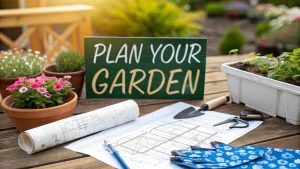
Planning a garden sounds simple until you actually start doing it. I learned this the hard way after planting tomatoes in the wrong spot one summer and watching them struggle for months because they barely got enough sunlight. What looked beautiful in my head quickly became a messy patch of stressed plants, tangled hoses, and wasted effort.
That experience completely changed how I approach gardening.
A successful garden rarely happens by accident. Good garden planning helps you save time, reduce frustration, use space wisely, and grow healthier plants. Whether you want a small backyard vegetable patch, a flower garden, or a mixed landscape with herbs and shrubs, having the right plan and tools can make the entire process easier and far more enjoyable.


Many beginners assume gardening is mostly about planting seeds and watering regularly. In reality, the biggest difference between a thriving garden and a disappointing one often comes down to preparation. The right tools matter, but knowing how and when to use them matters even more.
This guide walks through practical garden planning strategies, essential gardening tools, common mistakes, and real-world tips that can help beginners and experienced gardeners alike create a more productive and manageable garden space.
Why Garden Planning Matters More Than People Think
A lot of gardening problems begin before the first seed is planted.
Poor sunlight placement, overcrowding, drainage issues, and incorrect plant combinations can create problems that are difficult to fix later. Planning helps prevent these issues before they happen.
When I first started gardening, I planted everything close together because I wanted the garden to look full immediately. Within weeks, airflow became poor, pests appeared, and harvesting became difficult. Proper spacing would have solved most of those issues.
Good garden planning can help:
-
Improve plant growth
-
Reduce water waste
-
Prevent overcrowding
-
Make maintenance easier
-
Lower gardening costs
-
Improve harvest quality
-
Reduce weed problems
-
Make the garden visually organized
Even a simple hand-drawn layout can save hours of work later.
Start by Understanding Your Garden Space
Before buying plants or tools, spend time observing your space carefully.


Check Sunlight Exposure
Most vegetables and flowering plants need at least 6–8 hours of sunlight daily. Spend a day observing how sunlight moves across your yard.
Areas may look sunny in the morning but become shaded in the afternoon due to fences, trees, or buildings.
Common sunlight categories include:
-
Full sun: 6–8+ hours
-
Partial shade: 3–6 hours
-
Full shade: Less than 3 hours
Understanding this early helps you place plants correctly.
Test Your Soil
Healthy soil is one of the most overlooked parts of gardening.
You don’t always need expensive testing kits at first. Start by checking:
-
Soil texture
-
Drainage
-
Moisture retention
-
Organic matter
Clay-heavy soil may hold too much water, while sandy soil dries out quickly. Adding compost often improves both conditions significantly.
Measure the Area
It sounds basic, but accurate measurements prevent many layout mistakes.
Use a tape measure and sketch the area. Include:
-
Walkways
-
Raised beds
-
Water access
-
Existing trees
-
Fence lines
-
Shaded zones
Even rough measurements help create a practical layout.
Choosing the Right Garden Style
Not every garden needs large raised beds or complex irrigation systems. Your garden should match your lifestyle, available time, and goals.
Raised Bed Gardens
Raised beds are popular for good reasons.
They:
-
Improve drainage
-
Reduce weeds
-
Make soil control easier
-
Help organize planting
They work especially well in areas with poor soil conditions.
Container Gardening
Container gardening is excellent for small spaces, patios, and balconies.


Good container options include:
-
Tomatoes
-
Peppers
-
Herbs
-
Lettuce
-
Strawberries
Containers also make pest control and watering more manageable.
Traditional In-Ground Gardens
In-ground gardens can work beautifully if the soil quality is good.
They’re often better for:
-
Large vegetable gardens
-
Pumpkins
-
Corn
-
Potatoes
-
Large flower beds
However, they may require more weed control and soil preparation.
Essential Garden Planning Tools
Some tools genuinely make gardening easier, while others end up sitting unused in a garage. Over time, I learned to focus on practical tools that save effort consistently.
Hand Trowel
A sturdy hand trowel becomes one of the most-used gardening tools.
It helps with:
-
Digging small holes
-
Transplanting seedlings
-
Removing weeds
-
Mixing soil
Choose one with a comfortable grip and durable metal construction.
Garden Gloves
Cheap gloves often tear quickly or become uncomfortable when wet.
Investing in quality gloves can protect against:
-
Thorns
-
Blisters
-
Soil irritation
-
Splinters
Comfort matters more than most people expect during long gardening sessions.
Pruning Shears
Healthy pruning keeps plants productive and manageable.
Sharp pruning shears help:
-
Remove dead growth
-
Improve airflow
-
Shape shrubs
-
Harvest vegetables cleanly
Dull tools can damage plants and increase disease risk.


Watering Equipment
Watering sounds easy until summer heat arrives.
Helpful watering tools include:
-
Soaker hoses
-
Watering cans
-
Drip irrigation systems
-
Hose nozzles with adjustable spray
Drip irrigation can often help reduce water waste while keeping plants healthier.
Garden Rake
A rake helps prepare soil, spread mulch, remove debris, and level planting areas.
Metal rakes tend to last longer for heavier garden work.
Wheelbarrow or Garden Cart
Transporting soil, compost, mulch, or plants becomes exhausting without one.
Even small gardens benefit from easier material movement.
How to Create a Practical Garden Layout
A beautiful garden should also be functional.
One of my early mistakes was creating narrow walkways that became muddy and crowded after plants matured. Accessibility matters much more than people realize.
Leave Space for Walking
You should comfortably reach plants without stepping on soil.
Compacted soil reduces airflow and root growth.
Recommended walkway widths:
-
Small paths: 18–24 inches
-
Main paths: 30–36 inches
Group Plants by Water Needs
Plants with similar watering requirements should stay together.
For example:
-
Herbs often prefer drier soil
-
Tomatoes need steady moisture
-
Leafy greens usually need more frequent watering
Grouping plants simplifies maintenance.
Think About Plant Height
Place taller plants where they won’t block sunlight from smaller plants.
Common examples:
-
Corn behind lettuce
-
Sunflowers at the north side
-
Trellised cucumbers behind herbs
This small adjustment improves sunlight exposure dramatically.
Smart Garden Planning for Beginners
Beginners often try to grow too much too quickly.
I made this mistake myself by planting nearly every vegetable seed packet I bought. The result was overwhelming maintenance and wasted produce.
Start smaller than you think you need.
Focus on Easy Crops First
Reliable beginner-friendly plants include:
-
Lettuce
-
Radishes
-
Green beans
-
Basil
-
Zucchini
-
Cherry tomatoes
These usually provide quicker success and help build confidence.
Use Mulch Early
Mulch helps with:
-
Moisture retention
-
Weed suppression
-
Soil temperature control
Organic mulch options include:
-
Straw
-
Wood chips
-
Shredded leaves
-
Grass clippings
Mulching early reduces future maintenance significantly.
Keep a Garden Journal
Tracking your garden may sound unnecessary, but it becomes incredibly valuable over time.
Record things like:
-
Planting dates
-
Weather changes
-
Pest issues
-
Harvest results
-
Successful varieties
Even simple notes can improve future garden planning.


Common Garden Planning Mistakes to Avoid
Even experienced gardeners continue learning every season.
Here are some mistakes that frequently cause problems.
Planting Too Early
Warm weather for a few days doesn’t always mean the season is ready.
Unexpected frost can damage seedlings quickly.
Always check your local planting zone and average frost dates.
Ignoring Mature Plant Size
Tiny seedlings eventually become large plants.
Overcrowding creates:
-
Disease risk
-
Poor airflow
-
Lower yields
-
Difficult harvesting
Spacing recommendations matter more than many beginners realize.
Using Poor-Quality Soil
Plants struggle in depleted soil regardless of watering or fertilizer.
Adding compost regularly often improves garden performance more than expensive products.
Buying Too Many Tools
Not every trending gardening gadget is useful.
Start with essentials first and expand gradually based on real needs.
Helpful Technology for Modern Garden Planning
Technology has made gardening much easier in recent years.
Several tools can simplify planning and maintenance.
Garden Planning Apps
Garden planner apps can help with:
-
Layout design
-
Crop rotation
-
Plant spacing
-
Seasonal reminders
Many beginners find visual planning tools especially useful.
Soil Moisture Meters
Overwatering is one of the most common gardening problems.
A simple moisture meter can help prevent root rot and water waste.
Weather Tracking Apps
Weather changes affect watering, planting, fertilizing, and harvesting schedules.
Tracking local forecasts helps gardeners make better decisions.
Seasonal Garden Planning Tips
Different seasons require different planning approaches.
Spring
Spring focuses on:
-
Soil preparation
-
Seed starting
-
Bed organization
-
Early planting
This is often the busiest gardening season.
Summer
Summer priorities include:
-
Water management
-
Pest control
-
Harvesting
-
Mulching
Consistent maintenance becomes important during hot weather.
Fall
Fall is ideal for:
-
Composting
-
Soil improvement
-
Plant cleanup
-
Cool-season crops
Many gardeners overlook how productive fall gardening can be.
Winter
Winter is excellent for:
-
Planning next year’s layout
-
Ordering seeds
-
Repairing tools
-
Researching new techniques
Good winter planning often leads to better spring results.


Budget-Friendly Garden Planning Ideas
Gardening doesn’t need to become expensive.
Some of the most productive gardens are built gradually over time.
Start with Seeds Instead of Mature Plants
Seeds cost much less than fully grown plants.
Certain crops like beans, lettuce, radishes, and cucumbers grow easily from seed.
Reuse Household Materials
Helpful reusable items include:
-
Buckets
-
Wooden pallets
-
Plastic containers
-
Egg cartons for seedlings
Creative reuse can reduce costs significantly.
Make Your Own Compost
Kitchen scraps and yard waste can create nutrient-rich compost naturally.
Common compost materials:
-
Vegetable peels
-
Coffee grounds
-
Dry leaves
-
Grass clippings
Homemade compost often improves soil health over time.
Building a Garden You Can Actually Maintain
One lesson many gardeners eventually learn is this: a manageable garden is usually more enjoyable than an oversized one.
It’s tempting to create elaborate plans after watching gardening videos or scrolling through beautiful online photos. But maintenance matters.
Choose a garden size that fits:
-
Your schedule
-
Your physical energy
-
Your climate
-
Your experience level
A smaller, healthy garden often produces better results than a large neglected one.
Consistency usually matters more than perfection.
Final Thoughts
Garden planning is less about creating a perfect layout and more about making gardening practical, enjoyable, and sustainable long term.
The right tools can save effort, but thoughtful planning saves even more frustration. Understanding sunlight, soil, spacing, watering, and plant needs creates a stronger foundation for success than simply buying more equipment.
Over time, every gardener develops personal preferences and techniques. Some seasons will go smoothly, while others bring unexpected challenges. That’s part of the experience.
The good news is that every gardening season teaches something useful.
Starting with a realistic plan, basic reliable tools, and manageable goals can help create a garden that not only looks good but also becomes easier to maintain year after year.
Frequently Asked Questions
What is the best way to start planning a garden?
Start by observing sunlight patterns, measuring your space, and identifying what you want to grow. Sketching a simple layout before planting often helps prevent spacing and maintenance problems later.
Which gardening tools are most important for beginners?
A hand trowel, pruning shears, gloves, watering equipment, and a rake are usually enough for most beginners to get started successfully.
Are raised beds better than in-ground gardens?
Raised beds can help improve drainage, soil quality, and organization, especially in areas with poor soil. However, in-ground gardens often work well for larger growing spaces.
How often should I water my garden?
Watering needs vary depending on climate, soil type, and plant variety. Deep watering less frequently often helps encourage stronger root systems compared to shallow daily watering.
What vegetables are easiest for beginners to grow?
Lettuce, radishes, green beans, basil, zucchini, and cherry tomatoes are commonly considered beginner-friendly because they grow relatively quickly and require less complicated care.
Can gardening help reduce grocery costs?
Growing vegetables and herbs at home may help reduce grocery spending over time, especially for frequently used produce like herbs, tomatoes, lettuce, and peppers. However, results depend on garden size, maintenance, and local growing conditions.