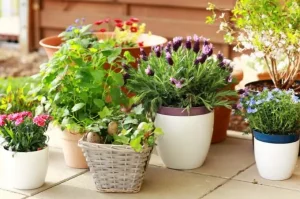
Many people think gardening only works if you have a big backyard. That’s not true at all. Some of the healthiest plants grow in small apartments, balconies, and even kitchen corners. Indoor and small-space gardening is all about using creativity, not size.
If you live in a city or have limited space, you can still grow herbs, vegetables, and decorative plants successfully. The key is understanding how to use light, containers, and space efficiently.
This guide will show you exactly how to start indoor gardening from scratch—even if you’ve never grown a plant before.
Why Indoor & Small-Space Gardening Is Becoming So Popular
More people are choosing indoor gardening for simple reasons:
- No outdoor space needed
- Fresh herbs and vegetables at home
- Cleaner indoor air
- Stress relief and mental relaxation
- Low-cost hobby with long-term benefits
It’s also surprisingly beginner-friendly when done correctly. You don’t need expensive equipment or a large setup. Just a few pots and the right knowledge are enough.
Step 1: Understanding Your Indoor Space
Before buying anything, take a close look at your home environment.
Ask yourself:
- Which areas get natural light?
- Where does sunlight stay longest?
- Do I have windows facing outside?
- Is there balcony space available?
Common indoor gardening spots:
- Windowsills
- Kitchen counters
- Balcony corners
- Hanging shelves
- Empty wall spaces
Even a small corner can become a productive mini garden if used properly.
Step 2: Light – The Most Important Factor
Plants depend on light for growth. Without enough light, they become weak and unhealthy.
Types of indoor light conditions:
Bright indirect light
- Near windows but not direct sunlight
- Best for most indoor plants
Direct sunlight
- Sun hits plants directly for several hours
- Ideal for vegetables and herbs
Low light
- Far from windows
- Only suitable for specific plants
If your home lacks sunlight:
You can use LED grow lights. These are artificial lights designed to help plants grow indoors.
Step 3: Best Plants for Indoor & Small Spaces
Not all plants survive indoors easily. Beginners should start with low-maintenance options.
Best indoor herbs:
- Mint
- Basil
- Coriander
- Parsley
Easy indoor vegetables:
- Spinach
- Green onions
- Lettuce
- Chilies (in pots)
Decorative indoor plants:
- Snake plant
- Pothos
- Spider plant
- Aloe vera
These plants are forgiving, meaning they survive small mistakes like irregular watering or low light.
Step 4: Choosing the Right Containers
Containers play a huge role in indoor gardening success.
Good container options:
- Plastic pots (lightweight, budget-friendly)
- Clay pots (better airflow for roots)
- Hanging baskets (great for saving space)
- Recycled containers (eco-friendly option)
Important features:
- Drainage holes at the bottom
- Proper depth for root growth
- Stable base to avoid tipping over
Without drainage, roots can rot quickly due to trapped water.
Step 5: Soil Mix for Indoor Plants
Indoor plants need soil that drains well but still holds nutrients.
Simple indoor soil mix:
- Garden soil
- Compost
- Coco peat or peat moss
- Small amount of sand (optional)
This mix keeps soil light and prevents waterlogging.
Step 6: Watering Indoor Plants Correctly
Watering indoors is different from outdoor gardening.
Common mistake:
People overwater indoor plants because they can’t see evaporation clearly.
Better method:
- Check soil before watering
- Water only when top layer is dry
- Avoid daily watering routine
Signs of overwatering:
- Yellow leaves
- Soft or mushy stems
- Mold on soil surface
Signs of underwatering:
- Dry, crispy leaves
- Soil pulling away from pot edges
Balance is the key.
Step 7: Space-Saving Gardening Ideas
Small-space gardening is all about creativity.
Vertical gardening
Use walls or stands to grow plants upward instead of outward.
Hanging pots
Great for herbs and small decorative plants.
Shelf gardening
Stack multiple layers of plants using shelves.
Window gardening
Use natural sunlight near windows for herbs and vegetables.
These methods help you grow more plants in less space.
Step 8: Indoor Gardening Maintenance Routine
Indoor plants don’t need heavy maintenance, but they do need consistency.
Weekly routine:
- Check soil moisture
- Remove dry leaves
- Rotate plants for even sunlight
Monthly routine:
- Add compost or organic fertilizer
- Clean leaves to remove dust
- Check for pests
Indoor plants collect dust faster, so cleaning leaves helps them breathe better.
Step 9: Common Problems in Indoor Gardening
Even small gardens face issues. Here’s how to handle them.
1. Yellow leaves
Usually caused by overwatering or lack of light.
2. Slow growth
Often due to low sunlight or poor soil nutrition.
3. Drooping plants
Can be underwatering or root stress.
4. Pest issues indoors
Small insects like fungus gnats appear in moist soil.
Solution:
- Reduce watering
- Use neem spray
- Improve air circulation
Step 10: Simple Indoor Gardening Setup for Beginners
If you’re just starting, keep it simple:
Basic setup:
- 3–5 small pots
- 1–2 herb plants (mint, basil)
- 1 leafy vegetable (spinach or lettuce)
- Good window space
- Basic watering can
Start small and expand once you gain confidence.
Pro Tips for Better Indoor Gardening
- Rotate plants weekly so all sides get light
- Avoid placing plants near air conditioners or heaters
- Don’t overcrowd pots
- Use organic fertilizers instead of chemical-heavy ones
- Observe plants daily, even for a few seconds
Small attention prevents big problems later.
Indoor Gardening vs Outdoor Gardening
| Feature | Indoor Gardening | Outdoor Gardening |
|---|---|---|
| Space needed | Very small | Medium to large |
| Maintenance | Low to moderate | Moderate |
| Light control | Limited | Natural sunlight |
| Pest issues | Fewer | More common |
| Plant variety | Limited | Wide variety |
Both are useful, but indoor gardening is more beginner-friendly.
FAQ – Indoor & Small-Space Gardening
1. What are the easiest plants for indoor gardening?
Mint, basil, snake plant, and pothos are among the easiest for beginners.
2. Can I grow vegetables indoors?
Yes. Leafy vegetables like spinach, lettuce, and green onions grow well indoors.
3. Do indoor plants need sunlight?
Yes, most indoor plants need indirect sunlight or artificial grow lights.
4. How often should I water indoor plants?
Usually 1–2 times per week, depending on soil dryness and climate.
5. What is the biggest mistake in indoor gardening?
Overwatering is the most common and damaging mistake.
Conclusion
Indoor and small-space gardening proves that you don’t need a big yard to enjoy growing plants. With the right light, simple containers, and a few beginner-friendly plants, even the smallest space can turn into a green, peaceful corner.
Start small, stay consistent, and observe your plants regularly. Over time, you’ll learn what they need naturally. Gardening indoors is not just about plants—it’s about creating a calm, refreshing environment inside your home.