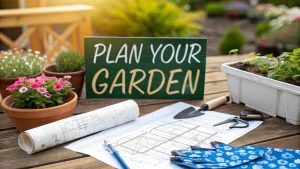
Starting a garden without a plan is one of the fastest ways to waste time, energy, and money. Many beginners rush into buying tools or planting seeds without understanding layout, space usage, or what equipment they actually need. The result? Overcrowded beds, weak plants, and unnecessary frustration.
Good gardening is not just about planting—it’s about planning before planting.
In this guide, you’ll learn how to design a simple but effective garden layout and choose the right tools without overspending or overcomplicating things. Whether you’re working with a backyard, rooftop, or small balcony, the principles remain the same.
Why Garden Planning Matters More Than You Think
Garden planning is often ignored by beginners because it feels unnecessary at first. But experienced gardeners know that planning determines 70% of your success.
Without a plan:
- Plants compete for space and nutrients
- Sunlight gets blocked by taller plants
- Watering becomes inconsistent
- Maintenance becomes confusing and time-consuming
With a plan:
- Plants grow in harmony
- Space is used efficiently
- Maintenance becomes simple and predictable
- You save money on tools and replacements
Think of planning as the “blueprint” of your garden. You wouldn’t build a house without one.
Step 1: Understanding Your Space
Before drawing anything or buying tools, you need to study your available space.
Ask yourself these questions:
- How much space do I really have?
- How many hours of sunlight does it get?
- Is the ground soil, concrete, or containers only?
- Is there easy access to water?
Common garden spaces:
Backyard garden
- Best for vegetables and mixed plants
- Allows flexible layout design
Balcony garden
- Ideal for pots and vertical gardening
- Limited space requires smart planning
Rooftop garden
- Good sunlight exposure
- Needs careful water management
Each space has strengths and limitations. Planning depends on adapting to them, not fighting them.
Step 2: Choosing a Garden Layout
A garden layout is how you organize your plants in space.
Simple beginner-friendly layout types:
1. Row planting
Plants are placed in straight lines.
Best for:
- Vegetables like spinach, carrots, radish
Pros:
- Easy maintenance
- Simple watering system
Cons:
- Wastes space in small gardens
2. Square foot gardening
The garden is divided into small square sections.
Best for:
- Small spaces
- Mixed planting
Pros:
- Very space efficient
- Easy to manage
Cons:
- Requires initial planning
3. Container gardening
Plants grow in pots instead of ground soil.
Best for:
- Balconies
- Urban homes
Pros:
- Flexible placement
- Easy to move plants
Cons:
- Requires frequent watering
4. Vertical gardening
Plants grow upward using walls or supports.
Best for:
- Herbs
- Vine plants
Pros:
- Saves space
- Looks visually appealing
Cons:
- Needs support structures
Step 3: Essential Garden Tools You Actually Need
Many beginners buy too many tools they never use. The truth is, you only need a small set of basic tools to start successfully.
Must-have gardening tools:
1. Hand trowel
Used for digging small holes and transplanting seedlings.
2. Pruning shears
Used to trim plants, remove dead leaves, and shape growth.
3. Watering can
Provides controlled watering without damaging soil.
4. Gardening gloves
Protect your hands from dirt, cuts, and insects.
5. Rake (small or handheld)
Helps clean soil surface and remove debris.
6. Garden fork
Used for loosening compact soil.
Optional but useful tools:
- Soil tester (checks moisture and pH)
- Spray bottle (for delicate plants)
- Compost bin (for organic waste)
- Plant stakes (support for tall plants)
Step 4: How to Choose the Right Tools (Without Wasting Money)
A common beginner mistake is buying expensive tools thinking they guarantee success. They don’t.
Smart tool selection tips:
- Buy quality over quantity
- Start with basic tools only
- Avoid fancy gadgets at the beginning
- Choose tools based on your garden size
Example:
If you have a small balcony garden:
- You don’t need a full-sized rake
- A hand trowel and watering can are enough
If you have a backyard:
- Add pruning tools and a small rake
- Consider a garden hose for efficiency
Step 5: Planning Plant Placement
Good garden design always considers plant behavior.
Important placement rules:
- Tall plants go at the back (so they don’t block sunlight)
- Medium plants in the middle
- Small plants or herbs at the front
Group plants by needs:
Sun-loving plants:
- Tomatoes
- Peppers
- Sunflowers
Shade-tolerant plants:
- Mint
- Coriander
- Lettuce
Water-heavy plants:
- Cucumber
- Spinach
Grouping helps reduce watering confusion and improves growth.
Step 6: Soil Preparation in Planning Stage
Soil preparation is part of planning, not planting.
Before planting, ensure:
- Soil is loose and soft
- Organic matter is added
- Drainage is proper
Simple soil mix for beginners:
- Garden soil
- Compost
- Small amount of sand (if soil is heavy)
Good soil reduces tool workload and improves plant survival rate.
Step 7: Watering System Planning
Watering is easier when planned in advance.
Options for beginners:
Manual watering
- Watering can or hose
- Best for small gardens
Drip irrigation (advanced)
- Saves water
- Delivers moisture directly to roots
Planning tip:
Place plants with similar water needs together. This prevents overwatering some plants and underwatering others.
Step 8: Seasonal Planning (Often Ignored by Beginners)
Plants behave differently depending on seasons.
Warm season plants:
- Tomatoes
- Chilies
- Cucumbers
Cool season plants:
- Spinach
- Lettuce
- Peas
Planning based on season avoids wasted effort and poor growth.
Common Garden Planning Mistakes
Many beginners repeat the same mistakes:
1. Planting without measuring space
Leads to overcrowding.
2. Buying tools first, planning later
Results in unnecessary expenses.
3. Ignoring sunlight direction
Causes weak or dying plants.
4. Mixing incompatible plants
Some plants compete for nutrients.
5. Overcomplicating the design
Simple gardens are often more successful.
Pro Tips for Better Garden Planning
- Start small and expand later
- Sketch your garden before planting
- Keep pathways for easy movement
- Leave space for plant growth (don’t overcrowd)
- Group similar plants together
Good planning makes gardening feel less like work and more like a relaxing routine.
Beginner Garden Planning Checklist
Before starting your garden, make sure:
- You measured your space
- You understand sunlight direction
- You selected a layout style
- You listed essential tools only
- You planned plant placement
- You considered watering needs
FAQ – Garden Planning & Tools
1. What tools do I need to start gardening as a beginner?
A hand trowel, watering can, pruning shears, gloves, and a small rake are enough.
2. How do I plan a small garden space?
Use vertical gardening, containers, and square-foot layout to maximize space.
3. Is expensive gardening equipment necessary?
No. Basic tools are enough for beginners. Quality matters more than price.
4. What is the best garden layout for beginners?
Square foot gardening and container gardening are the easiest to start with.
5. How do I avoid overcrowding my garden?
Follow spacing guidelines and group plants based on size and sunlight needs.
Conclusion
Garden planning and tools are the foundation of every successful garden. When you plan your space properly and choose only the tools you actually need, gardening becomes easier, more enjoyable, and far less stressful.
Instead of rushing into planting, take time to understand your space, choose a simple layout, and invest in essential tools only. This small effort at the beginning saves you from many problems later.
A well-planned garden doesn’t just grow plants—it grows confidence.