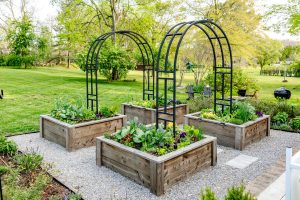
Gardening looks simple from the outside. You plant something, water it, and wait for it to grow. But when you actually try it for the first time, things can feel confusing fast—why are leaves turning yellow, why is soil drying too quickly, why is nothing growing at all?
The truth is, beginner gardening is not about having a “green thumb.” It’s about understanding a few basic principles and avoiding common mistakes that most new gardeners make. Once you get those basics right, gardening becomes one of the most relaxing and rewarding hobbies you can have.
This guide is written specifically for beginners who want real, practical steps—not theory. You’ll learn how to start, what to plant, how to care for your garden, and how to avoid early failure.
What Beginner Gardening Really Means
Beginner gardening is simply learning how plants grow in real-life conditions—not in perfect diagrams or ideal greenhouse setups.
At its core, gardening depends on just four things:
- Soil quality
- Watering habits
- Sunlight exposure
- Plant selection
Most beginners fail not because they lack effort, but because they misunderstand one of these four areas.
For example:
- Overwatering kills more plants than underwatering
- Poor soil drains nutrients before plants can use them
- Wrong sunlight placement leads to weak growth
- Choosing difficult plants too early creates frustration
Once you understand these basics, everything becomes easier.
Step 1: Choosing the Right Place for Your Garden
Before you plant anything, you need to pick the right location. This is more important than most beginners realize.
Look for sunlight first
Most vegetables and flowers need at least:
- 4–6 hours of sunlight daily (minimum)
- 6–8 hours for better growth
If your space is too shaded, your plants will grow slowly and weakly.
Check water access
Make sure your garden area is close to a water source. Carrying water long distances daily becomes tiring and leads to inconsistent watering.
Observe wind and exposure
Strong wind can damage young plants. If your area is very windy, consider using:
- Walls or fences as protection
- Small barriers or pots instead of open ground planting
Step 2: Understanding Soil (The Most Important Part)
Soil is not just “dirt.” It is the foundation of your garden.
Healthy soil has three main qualities:
- It holds moisture but drains excess water
- It contains nutrients for plants
- It is soft enough for roots to grow easily
Simple soil test for beginners
Grab a handful of soil:
- If it crumbles easily → good for planting
- If it sticks like clay → too heavy, needs sand or compost
- If it feels dry and powdery → lacks organic matter
How to improve soil naturally
You don’t need expensive fertilizers. Start with:
- Compost (kitchen waste, leaves, grass)
- Cow manure (well dried)
- Organic matter like dry leaves
Mixing compost into soil improves growth dramatically over time.
Step 3: Choosing Easy Plants for Beginners
This is where most beginners go wrong—they start with difficult plants.
Instead, begin with low-maintenance plants that forgive mistakes.
Best beginner vegetables
- Tomatoes
- Spinach
- Radish
- Green chilies
- Lettuce
Best beginner herbs
- Mint
- Coriander
- Basil
Best beginner flowers
- Marigold
- Sunflower
- Zinnia
These plants grow fast, recover easily, and don’t require advanced care.
Step 4: Watering the Right Way
Watering is not about quantity—it’s about timing and balance.
Common beginner mistake
Many people water a little every day. This keeps soil constantly wet and causes root rot.
Better method
- Water deeply 2–3 times a week (depending on weather)
- Let soil dry slightly between watering
- Water early morning or evening
How to check if plants need water
Stick your finger into soil:
- Dry 2–3 cm down → water needed
- Still moist → wait
This simple habit prevents most gardening failures.
Step 5: Sunlight and Plant Positioning
Every plant has a sunlight preference.
Full sun plants
Need 6+ hours:
- Tomatoes
- Peppers
- Sunflowers
Partial shade plants
Need 3–5 hours:
- Mint
- Spinach
- Coriander
If plants are placed incorrectly:
- Too much sun → leaves burn
- Too little sun → weak, tall growth
Step 6: Fertilizing Without Overdoing It
Beginners often think more fertilizer means faster growth. That’s not true.
Safe beginner fertilizing schedule:
- Every 2–3 weeks (light feeding)
- Use organic compost or liquid compost tea
- Avoid chemical overload early on
Warning signs of over-fertilizing:
- Leaves turning dark and curling
- Soil crust forming on top
- Plants growing fast but weak
Step 7: Common Beginner Gardening Mistakes
Most gardening problems come from a few repeated errors.
1. Overwatering
Kills roots and invites fungus.
2. Ignoring soil quality
Poor soil = weak plants no matter what you do.
3. Planting too many things at once
Beginners get overwhelmed and lose track.
4. Not observing plants daily
Small issues become big problems quickly.
5. Choosing high-maintenance plants early
Exotic plants often require experience.
Step 8: Simple Beginner Gardening Routine
Here is a realistic daily/weekly routine:
Daily (5–10 minutes)
- Check plant health
- Look for pests or drooping leaves
- Light observation only
Every 2–3 days
- Water if soil is dry
- Remove dead leaves
Weekly
- Add compost if needed
- Clean garden area
- Check growth progress
Consistency matters more than intensity.
Step 9: Dealing With Pests Naturally
You don’t need chemicals immediately.
Simple natural solutions:
- Neem oil spray (very effective)
- Soap water spray for insects
- Garlic-chili water for protection
Prevent pests by:
- Keeping plants spaced properly
- Removing dead leaves regularly
- Avoiding overwatering
Healthy plants naturally resist pests better.
Step 10: How to Stay Motivated as a Beginner
Gardening takes patience. Growth is slow at first.
What beginners should expect:
- First 1–2 weeks: little visible change
- 2–4 weeks: early growth appears
- 1–2 months: noticeable results
Many people quit too early because they expect fast results. Gardening rewards consistency, not speed.
Beginner Gardening Checklist
Before starting, make sure you have:
- Good sunlight area
- Healthy soil or compost
- Simple beginner plants
- Watering schedule
- Basic tools (trowel, watering can)
Keep it simple at the beginning.
FAQ – Beginner Gardening
1. What is the easiest plant to grow for beginners?
Mint, spinach, and marigold are among the easiest because they grow quickly and tolerate mistakes.
2. How often should I water my garden?
Most beginners should water 2–3 times a week depending on heat and soil dryness.
3. Can I start gardening in small spaces?
Yes. Pots, balconies, and containers work perfectly for beginner gardening.
4. Why are my plants dying even after watering?
Overwatering, poor soil, or lack of sunlight are the most common reasons.
5. Do I need expensive tools to start gardening?
No. A small watering can, basic soil, and simple hand tools are enough.
Conclusion
Beginner gardening is not about perfection—it’s about learning how nature works step by step. Once you understand soil, sunlight, watering, and plant selection, everything becomes much easier.
Start small. Grow easy plants first. Focus on consistency instead of complexity. Over time, you’ll naturally improve and gain confidence.
The most successful gardeners were once beginners who simply didn’t give up too early.