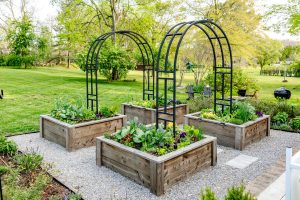
Gardening is one of those hobbies that looks complicated from the outside but becomes surprisingly calming and rewarding once you understand the basics. Many beginners assume they need expensive tools, large spaces, or expert knowledge, but the truth is much simpler. A small space, a few healthy plants, and consistent care are enough to start successfully.
Most beginners fail not because gardening is difficult, but because they start with unrealistic expectations. They buy too many plants at once, ignore sunlight needs, or overwater everything. Gardening success usually comes from learning slowly and understanding how plants naturally grow rather than forcing quick results.
Choosing the Right Plants as a Beginner
One of the most important gardening decisions is choosing the right plants. Beginners often choose plants based on appearance instead of suitability. However, not all plants grow well in every environment. Some require more sunlight, others need shade, and some are sensitive to temperature changes.
For beginners, it is better to start with low-maintenance plants such as herbs, leafy greens, or hardy houseplants. These plants are more forgiving and help build confidence. Once you understand basic care routines, you can gradually expand into more complex plants like flowering varieties or vegetables.
Understanding Soil and Why It Matters
Soil is the foundation of every garden. Many beginners overlook it, but soil quality directly affects plant health. Good soil provides nutrients, drainage, and stability for roots to grow properly. Poor soil can cause weak growth even if watering and sunlight are perfect.
Healthy soil is usually loose, slightly moist, and rich in organic matter. Adding compost or natural fertilizer improves soil quality over time. Beginners do not need complicated soil mixtures—simple, nutrient-rich soil from a gardening store is often enough to start successfully.
Watering Plants the Right Way
Watering is where many beginners struggle. The most common mistake is overwatering. Many people assume more water means healthier plants, but excess water can actually damage roots and cause rot.
A better approach is to water based on soil condition rather than fixed schedules. If the top layer of soil feels dry, it is usually time to water. If it still feels moist, waiting is better. Different plants also have different water needs, so learning each plant individually is important.
Sunlight and Plant Growth
Sunlight plays a critical role in plant health. Plants use sunlight to produce energy through photosynthesis. Without enough light, they become weak, pale, or slow-growing.
Before placing plants, observe how sunlight moves around your space. Some plants need full sunlight, while others prefer partial shade. Matching plants to the right light conditions is one of the easiest ways to improve gardening success.
Simple Tools Every Beginner Should Have
Gardening does not require expensive equipment. In fact, most beginners can start with just a few basic tools. A watering can, small shovel, gloves, and pruning scissors are usually enough for home gardening.
Having simple tools makes daily plant care easier and more organized. As experience grows, additional tools like soil testers or plant pots of different sizes can be added, but they are not necessary in the beginning.
Common Beginner Gardening Mistakes
Many gardening problems come from avoidable mistakes rather than lack of ability. One major mistake is changing plant locations too frequently. Plants need time to adapt, and constant movement can stress them.
Another common issue is ignoring pest problems until they become severe. Small insects or leaf damage should be addressed early using natural remedies or gentle cleaning methods. Early care prevents long-term damage.
Easy Plants for First-Time Gardeners
Choosing easy plants increases the chances of success. Some beginner-friendly plants include basil, mint, aloe vera, money plants, and spinach. These plants grow relatively quickly and do not require advanced care techniques.
These plants also help beginners understand growth patterns, watering cycles, and sunlight effects. As confidence increases, more advanced plants like tomatoes or flowering plants can be added to the garden.
Understanding Plant Growth Takes Time
One important mindset shift in gardening is patience. Plants do not grow overnight. Growth depends on sunlight, water, soil quality, and time. Many beginners get discouraged when they do not see immediate results.
Gardening teaches consistency. Small daily care, even if simple, leads to long-term success. Observing changes slowly over weeks and months is part of the experience and makes gardening more rewarding.
FAQ Section
What is the easiest plant for beginners?
Herbs like mint and basil, along with snake plants and money plants, are very beginner-friendly.
How often should I water my plants?
It depends on the plant and soil condition. Water when the topsoil feels dry rather than following a strict schedule.
Do plants need direct sunlight?
Not all plants need direct sunlight. Some prefer indirect light or partial shade depending on their type.
Can I start gardening indoors?
Yes, many plants grow well indoors if they receive enough light and proper care.
Why are my plants dying as a beginner?
Common reasons include overwatering, poor sunlight, or unsuitable soil conditions.
Conclusion
Beginner gardening is not about perfection or advanced knowledge. It is about learning slowly, observing your plants, and improving care over time.
When you focus on simple habits—choosing the right plants, providing proper water, ensuring sunlight, and maintaining basic care—gardening becomes much easier and more enjoyable.
With patience and consistency, even a small home space can turn into a healthy, green, and relaxing environment.