
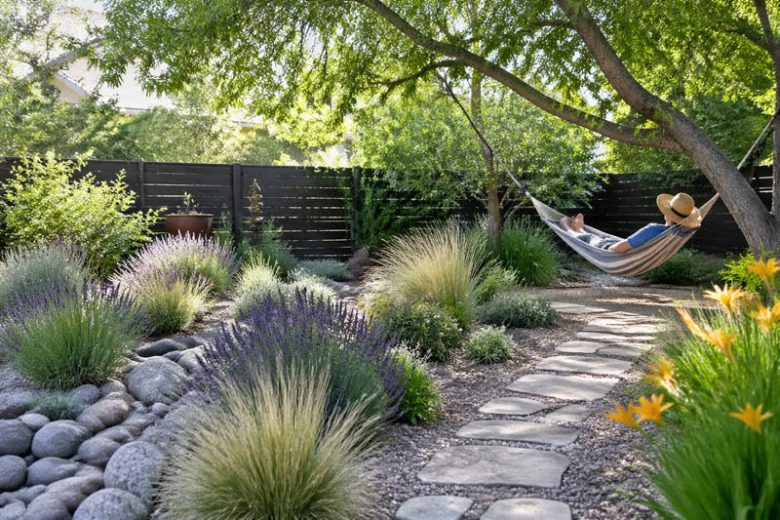
Gardening is often seen as something that demands endless time, daily watering, constant trimming, and regular attention. But the truth is, it doesn’t have to be that way. A well-designed low-maintenance garden can stay green, healthy, and visually appealing without requiring you to spend every weekend working in it.
Whether you’re a busy professional, a student, or simply someone who enjoys nature without the heavy workload, low-maintenance gardening is a practical and sustainable solution. This guide will walk you through everything you need to know to create and maintain a garden that practically takes care of itself.
What Is Low-Maintenance Gardening?
Low-maintenance gardening is a smart gardening approach that focuses on reducing effort while still achieving a beautiful outdoor space. Instead of high-maintenance plants, frequent watering, and constant trimming, this method uses natural balance, hardy plants, and efficient design.
The goal is simple: spend less time working in your garden and more time enjoying it.
This doesn’t mean your garden will look plain or neglected. On the contrary, with the right planning, it can look lush, colorful, and well-organized all year round.
Why Choose a Low-Maintenance Garden?
Many people give up gardening because they feel overwhelmed by the work involved. A low-maintenance garden solves that problem and offers several benefits:
Saves Time and Energy
One of the biggest advantages is reduced workload. You don’t need to spend hours every week pruning, watering, or replanting.
Cost-Effective in the Long Run
Fewer plants that require replacement, less water usage, and minimal fertilizers mean lower gardening costs over time.
Environmentally Friendly
Low-maintenance gardens often use drought-resistant plants and natural soil health techniques, reducing water waste and chemical usage.
Perfect for Busy Lifestyles
If you have a full-time job or a busy schedule, this style of gardening ensures your outdoor space remains beautiful without constant attention.
Choosing the Right Plants for Easy Care
The foundation of a low-maintenance garden is plant selection. Choosing the wrong plants can increase your workload significantly, while the right ones practically grow on their own.
Drought-Resistant Plants
These plants require minimal watering once established. They survive in dry conditions and are perfect for reducing maintenance.
Examples include:
- Lavender
- Succulents
- Rosemary
- Aloe vera
Native Plants
Native plants are naturally adapted to your local climate and soil conditions. This means they require less care, fertilizer, and water.
Perennials Over Annuals
Perennials return every year without needing to be replanted. This reduces both effort and cost.
Slow-Growing Plants
Fast-growing plants often require frequent trimming. Slow-growing varieties maintain their shape for longer periods.
Smart Garden Design for Less Maintenance
A well-planned garden design can dramatically reduce the amount of work needed to maintain it.
Keep It Simple
Avoid overly complex layouts with too many plant types. Simplicity is key in low-maintenance gardening.
Group Plants with Similar Needs
Place plants with similar water and sunlight requirements together. This makes watering and care much easier.
Use Mulch
Mulch helps retain soil moisture, reduces weed growth, and improves soil health. It also reduces the need for frequent watering.
Reduce Lawn Areas
Lawns require regular mowing and watering. Replacing some grass areas with gravel, stones, or ground cover plants can save a lot of effort.
Efficient Watering Techniques
Watering is one of the most time-consuming parts of gardening, but it can be simplified with the right methods.
Drip Irrigation Systems
Drip systems deliver water directly to plant roots, reducing waste and saving time.
Water Early or Late
Watering in the early morning or evening reduces evaporation and improves efficiency.
Group Watering Zones
Divide your garden into zones based on water needs so you don’t overwater or underwater certain plants.
Weed Control Without Hard Work
Weeds are one of the biggest challenges for gardeners, but there are ways to manage them with minimal effort.
Use Mulch Regularly
A thick layer of mulch blocks sunlight, preventing weed growth.
Plant Ground Covers
Ground cover plants spread across soil and naturally prevent weeds from growing.
Weed Early
Removing small weeds early prevents them from spreading and becoming a bigger problem.
Soil Health Made Simple
Healthy soil is the backbone of any successful garden. The better your soil, the less work your garden will require.
Add Organic Compost
Compost improves soil structure and provides natural nutrients to plants.
Avoid Over-Fertilizing
Too much fertilizer can actually harm plants and increase maintenance needs.
Let Nature Do the Work
Earthworms and natural microorganisms help maintain soil health if you avoid excessive chemical use.
Low-Maintenance Lawn Alternatives
Traditional grass lawns require constant mowing, watering, and fertilizing. Luckily, there are easier alternatives.
Artificial Grass
Artificial turf requires almost no maintenance and stays green year-round.
Gravel or Stone Gardens
These require no watering or mowing and are ideal for dry regions.
Ground Cover Plants
Plants like creeping thyme or clover provide greenery without the need for mowing.
Seasonal Care Without Stress
Even a low-maintenance garden needs some seasonal attention, but it doesn’t have to be overwhelming.
Spring
- Light pruning
- Adding compost
- Checking irrigation systems
Summer
- Occasional watering
- Removing dry leaves
Autumn
- Clearing fallen leaves
- Preparing soil for winter
Winter
- Minimal activity
- Protect sensitive plants if needed
Common Mistakes to Avoid
Many people unintentionally make their gardens harder to maintain. Avoiding these mistakes can save you time and effort.
Overcrowding Plants
Too many plants in one space leads to competition for nutrients and increases maintenance.
Choosing High-Maintenance Species
Some plants look beautiful but require constant care. Avoid them if your goal is simplicity.
Ignoring Soil Conditions
Planting without understanding soil type can lead to poor growth and extra effort.
Long-Term Benefits of Low-Maintenance Gardening
A well-planned low-maintenance garden is not just easier to manage—it also improves your lifestyle in the long run.
More Relaxation Time
Instead of working in your garden, you can actually enjoy it.
Better Mental Well-Being
Green spaces reduce stress and improve mood, especially when they don’t require constant work.
Sustainable Living
Using fewer resources and less water contributes to a healthier environment.
Frequently Asked Questions (FAQ)
1. Is a low-maintenance garden expensive to set up?
Not necessarily. While initial setup like mulch, irrigation, or landscaping may cost something, it reduces long-term expenses such as watering, fertilizers, and plant replacement.
2. Can I convert my existing garden into a low-maintenance one?
Yes. You can gradually replace high-maintenance plants, improve soil, add mulch, and reduce lawn areas to transition slowly without starting from scratch.
3. Do low-maintenance gardens look boring?
No. With the right combination of plants, textures, and design, they can look just as attractive—if not more—than traditional gardens.
4. How often do I need to water a low-maintenance garden?
It depends on plant types and climate, but many low-maintenance gardens require watering only once or twice a week, or even less once established.
5. What is the easiest plant for beginners?
Succulents, lavender, and rosemary are among the easiest plants because they require minimal water and care.
Final Thoughts
Low-maintenance gardening is not about neglecting your garden—it’s about designing it intelligently so that nature does most of the work for you. By choosing the right plants, using smart design techniques, and reducing unnecessary effort, you can enjoy a green, peaceful outdoor space without constant stress.
A well-planned garden should bring comfort, not responsibility. With these strategies, you can create a space that stays beautiful throughout the year while giving you more time to relax and enjoy it.